

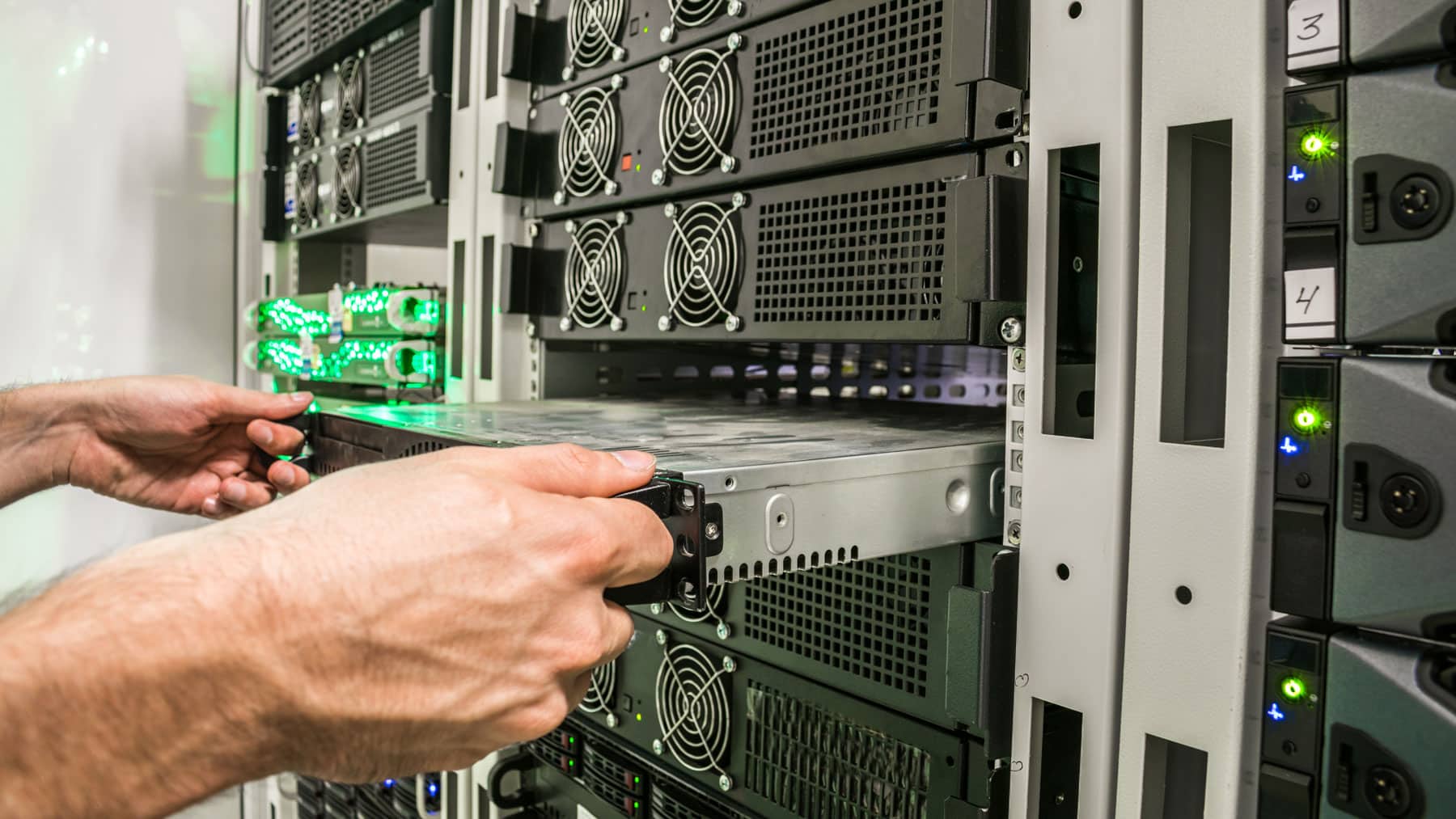
When your data center reaches its end of life, the stakes can be high. Sensitive data, valuable equipment, and strict compliance requirements all converge in a process that demands precision. Whether you’re consolidating facilities, upgrading infrastructure, or shutting down entirely, data center decommissioning services require careful planning and execution to protect your organization’s security and financial interests.
Understanding the Scope of Data Center Decommissioning
Data center decommissioning involves systematically retiring IT infrastructure while maintaining data security, maximizing asset value, and meeting environmental regulations. This isn’t simply unplugging servers and hauling equipment away. The process requires coordination across multiple teams, strict adherence to data destruction protocols, and strategic planning to recover maximum value from retiring assets.
Organizations face several critical challenges during decommissioning. Data breaches during asset transition can result in devastating financial and reputational damage. Without proper handling, you risk exposing confidential information stored on hard drives, SSDs, and backup systems. Additionally, poorly managed decommissioning often leaves money on the table, with valuable equipment disposed of rather than remarketed for revenue recovery.
Pre-Decommissioning Planning
Decommissioning starts with a thorough asset inventory done well in advance. Document each device to ensure nothing is missed and set the stage for accurate financial reconciliation.
Next, classify your data sensitivity levels. Not all equipment requires the same destruction protocols. Payment processing systems need PCI DSS-compliant data destruction, while general-use equipment may require different handling. Understanding these distinctions helps you allocate resources appropriately and maintain compliance throughout the process.
Develop a detailed project timeline that accounts for business continuity needs. If you’re migrating to a new facility or cloud infrastructure, coordinate decommissioning activities to avoid service disruptions. Build in buffer time for unexpected complications.
Data Destruction Protocols
Data destruction sits at the heart of responsible data center decommissioning. Every storage device that passes through your facility potentially contains sensitive information, and incomplete data removal creates liability.
Work with a certified data destruction partner that holds NAID AAA certification. This certification verifies that destruction processes meet rigorous industry standards through scheduled and unannounced audits. Organizations handling data center decommissioning without proper certifications put your data at risk.
Choose the right destruction method for each asset type. Data erasure using certified software provides an environmentally friendly option for equipment destined for remarketing. For devices containing highly sensitive information or those that are too damaged for erasure, physical destruction via hard drive shredding provides absolute certainty. Some situations call for witnessed destruction, enabling your team to verify that critical assets are properly disposed of.
Always request the certificates of destruction. These documents provide legal proof that data destruction occurred in accordance with specified protocols. In the event of an audit or compliance review, proper documentation protects your organization from liability.
Maximizing Value Through Strategic Tech Recycling
Computer recycling shouldn’t be an afterthought in your decommissioning plan. Retiring data center equipment often retains significant value, and strategic remarketing can substantially offset decommissioning costs.
Quality matters when selecting an electronic recycling company. Equipment that has undergone thorough testing, cleaning, and documentation commands premium prices in secondary markets. Some providers achieve returns 10-25% higher than the market average through superior processing standards. This difference adds up quickly across hundreds or thousands of assets.
Request portal access to track your inventory in real time. Modern data center decommissioning services provide transparency throughout the process, allowing you to monitor asset location, processing status, and financial reconciliation. This visibility helps you maintain accurate records and provides peace of mind that assets are handled properly.
Technology recycling through R2v3-certified partners ensures environmentally responsible handling of components that cannot be remarketed. This certification establishes best practices for e-waste recycling, protecting both the environment and your organization’s reputation.
Logistics and Execution
The physical process of data center decommissioning requires specialized expertise. Decommissioning teams need experience handling sensitive equipment, understanding proper disconnection procedures, and navigating the logistical challenges of moving heavy infrastructure.
Choose partners who provide white-glove service for high-value or particularly sensitive equipment. This hands-on approach minimizes the risk of damage during transit and ensures your most critical assets receive appropriate care. Nationwide coverage becomes essential for organizations with distributed infrastructure. You will need consistent service quality regardless of location.
Maintain detailed chain of custody documentation from the moment equipment leaves your facility until final disposition. This tracking protects against loss and provides the audit trail necessary for compliance verification. Secure transportation with GPS tracking and vetted personnel reduces risk during the vulnerable transit period.
Compliance and Reporting
Comprehensive reporting completes the decommissioning process. Monthly financial reconciliation should detail asset values, destruction costs, and net recovery. This transparency enables accurate accounting and helps you evaluate the project’s true cost.
Compliance documentation extends beyond certificates of destruction. Maintain records demonstrating adherence to ISO 14001 environmental standards, ISO 45001 workplace safety protocols, and ISO 9001 quality management systems. These certifications demonstrate your commitment to responsible practices and provide evidence of due diligence.
Partner with Proven Expertise
Data center decommissioning demands technical knowledge, security expertise, and operational excellence. With 22 years of experience and zero data breaches, TAMS delivers secure data destruction, maximum value recovery, and complete transparency throughout the decommissioning process. Our NAID AAA certification, R2v3 compliance, and comprehensive ISO certifications ensure your project meets the highest industry standards.
Want to learn more? Get a quote today and discover how proper planning and expert execution protect your data, recover maximum value, and ensure complete compliance